

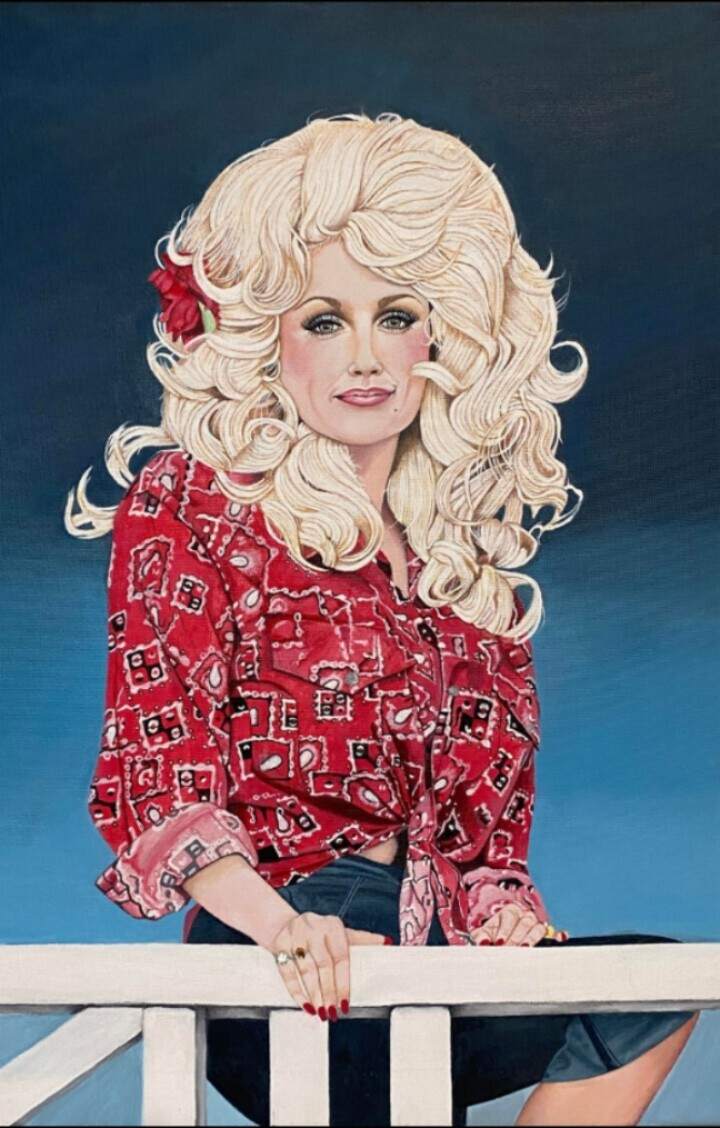
Dolly Parton's Estate is Now Driving a Family Feud- Dolly Parton's death has brought an unusual estate-planning problem into public view. Her reported $450 million business empire was backed by trusts and entities established years before her death, with specific arrangements for managing her professional property, businesses, music licensing, philanthropy and name and likeness.
Even so, a family dispute emerged almost immediately.
The controversy centers on Dolly Parton’s nephew Bryan Seaver, who had worked as Parton's head of security for more than two decades. However, She’s Alive LLC and Parton's longtime manager, Danny Nozell, filed serious allegations against Seaver.
According to Nozell, Seaver made threats and attempted to obtain financial compensation by threatening to interfere with Parton's businesses. Seaver disputed that characterization, and a Tennessee judge subsequently issued a temporary restraining order against him.
While Dolly’s estate planning shows remarkable diligence, even the best estate plan has limits.
Parton established the D.P. Dean Trust in 1997, nearly 30 years before her death. The trust was designed to manage property and assets according to instructions she set during her lifetime.
Her professional property and business interests were directed into a separate Dolly Parton Professional Property Trust upon her death. She’s Alive LLC was then created according to the estate plan to advise that trust.
Parton's situation highlights an important distinction between who receives wealth and who controls it.
Someone may be a beloved family member and an appropriate beneficiary without being the right person to serve as trustee, executor, business manager, or decisionmaker over valuable intellectual property.
A beneficiary receives an economic benefit from an estate or trust. A trustee or other person in control has a different responsibility: carrying out the governing documents and making decisions that protect the assets and fulfill the deceased person's intentions.
Those responsibilities can require judgment, continuity, accountability and the ability to work with other people involved in the estate.
Putting a family member in charge simply because that person is close to the deceased can create problems if other beneficiaries question the person's decisions or if relationships deteriorate.
Parton's estate reportedly separated these functions by placing management responsibilities in designated structures rather than simply leaving everything to individual family members.
Trusts also offered Parton an important degree of privacy. Because assets held in trust generally don't go through the same public probate process as individually owned assets, details about beneficiaries and distributions can remain private.
For someone with substantial business interests and intellectual property, that can be particularly valuable. A public probate proceeding could expose information about assets, beneficiaries and distributions that the family would otherwise prefer to keep private.
A trust can specify who controls an asset and how it should be handled. However, Parton’s case shows that a trust cannot guarantee every beneficiary, family member, employee, or business associate will agree with those decisions.
The most significant lesson from the dispute may, therefore, have less to do with the celebrity involved and more to do with the human side of estate planning.
A carefully drafted document cannot eliminate resentment, disagreements, competing expectations, or conflicts between people who remain involved after a person's death.
Families with significant assets or operating businesses can benefit from discussing key roles before death.
That includes questions such as:
These conversations can be uncomfortable. They can also surface disagreements while the person creating the estate plan is still alive and can address them.
Dolly Parton's estate illustrates why sophisticated estate planning involves more than deciding who gets what.
Her reported plan anticipated the need to manage businesses, intellectual property, philanthropy and her public identity after death. Establishing trusts and successor entities gave those responsibilities a formal structure.
The subsequent family dispute demonstrates the remaining challenge. Estate planning can establish authority, define responsibilities and create mechanisms for protecting assets. However, people must still operate within that structure.
For families with substantial wealth, a successful plan should, therefore, address both inheritance and control. Choosing beneficiaries is only one part of the process. Deciding who can responsibly manage what those beneficiaries inherit may be just as important.
Schedule your phone consultation: THE LAW OFFICES OF CLAUDE S. SMITH, III
Dolly Parton's Estate is Now Driving a Family Feud
Reference: Wealth Management (September 30, 2026) "Family Feud Brewing Over Dolly Parton’s Estate"
Legal problems are extremely stressful, especially when your family, your health, or your freedom are at stake. At this point in time, you may not even be sure what kinds of questions you need to ask a lawyer, but that’s entirely normal. Whether your situation involves family law, estate planning, elder law, a criminal charge, or a personal injury, we will start by giving you all the information you need.
The way we see it, you deserve to get this information directly from an expert. That’s why we make it easy for you to get in touch with your lawyer, and we never ask you to sit down with a paralegal or assistant instead.
As our relationship continues, we will keep you updated about the status of your case every step of the way. Your lawyer will reach out regularly to tell you about any new developments, and he will also be happy to answer any questions you have throughout the process.